Why Model Development Is Faster With Aluminum Foundry Casting Techniques
Aluminum foundry casting methods have arised as a crucial technique in model advancement. Their quick manufacturing abilities enhance the style process, permitting quick versions and modifications. The lightweight nature of aluminum promotes innovative layouts, while intricate geometries can be attained effortlessly. Additionally, lowered lead times and expense efficiency better enhance this approach. The ramifications of these advantages prolong beyond simple rate. What aspects contribute to this sped up development?
Understanding Aluminum Foundry Casting
Aluminum foundry casting has been a staple in manufacturing for decades, its importance in prototype advancement continues to grow. This process includes pouring molten aluminum into a mold to produce parts with complex designs and exact measurements. The adaptability of aluminum enables various casting approaches, consisting of sand, pass away, and investment casting, each offering unique benefits customized to certain task needs.
Comprehending aluminum foundry casting needs expertise of its properties, such as lightweight toughness, corrosion resistance, and outstanding thermal conductivity. These attributes make aluminum an optimal option for prototypes in industries ranging from automotive to aerospace. Furthermore, the casting procedure can accommodate intricate geometries, which is essential for checking innovative styles. As producers significantly look for effective and rapid prototyping solutions, aluminum foundry casting attracts attention as a trusted technique that enhances the efficiency of product development cycles while keeping top quality and performance requirements.
Benefits of Fast Prototyping
Rapid prototyping offers various advantages that significantly enhance the product advancement procedure. One substantial advantage is the reduction in time from principle to manufacturing. By permitting developers to create substantial versions quickly, teams can identify and deal with concerns early, lessening expensive alterations later. Additionally, rapid prototyping motivates partnership among stakeholders, as physical models assist in more clear communication and feedback. This iterative strategy fosters technology, enabling teams to discover numerous design versions swiftly.
Price effectiveness is one more advantage; producing models in smaller sized batches lowers product waste and reduces total costs - Metal Casting. Quick prototyping increases market entry, permitting companies to react to customer needs and patterns extra effectively. This speed can provide a competitive edge, especially in hectic sectors. In general, quick prototyping streamlines the growth procedure, enhances collaboration, and decreases prices, making it an important tool for contemporary product growth
Design Flexibility and Intricacy
Using aluminum foundry casting techniques uses considerable layout adaptability, allowing engineers to develop intricate geometries that would certainly be challenging with standard production approaches. This ability not just boosts aesthetic charm but likewise maximizes performance in model development. In addition, the rapid iteration possibilities managed by these strategies make it possible for quick changes to styles, cultivating development and performance.
Advanced Style Capabilities
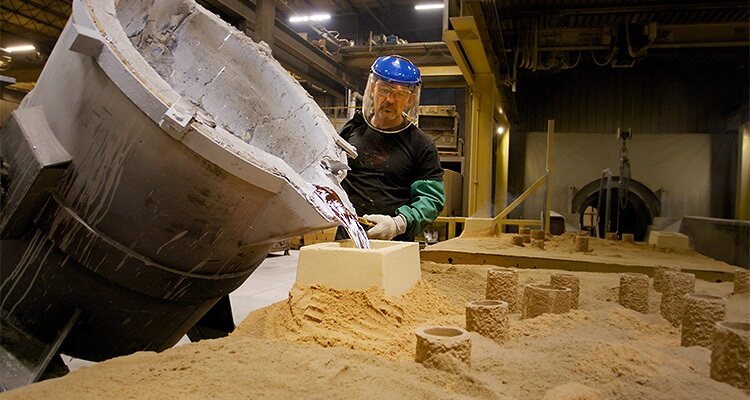
Quick Model Opportunities
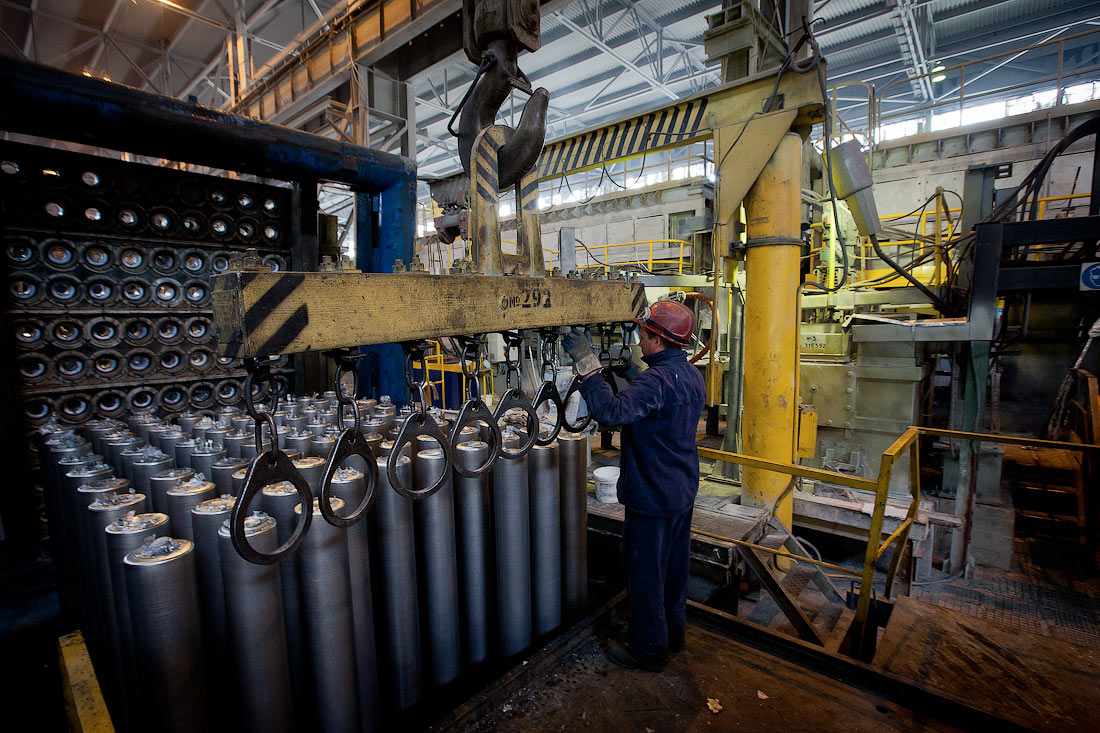
Minimized Lead Times and Cost Efficiency
In the domain of aluminum foundry casting, the production process is particularly rapid, enabling manufacturers to bring models to market a lot more promptly. This expedited timeline not just boosts responsiveness to make adjustments yet likewise adds to substantial financial savings in product costs. Therefore, firms can achieve higher expense performance while keeping high-quality criteria in prototype advancement.
Quick Production Process
While typical production methods might be hindered by prolonged lead times, aluminum foundry casting strategies greatly enhance the manufacturing procedure. This efficiency is accomplished via the ability to create complicated forms and layouts in a solitary action, minimizing the need for numerous manufacturing phases. The fast turn-around from style to finished prototype permits firms to accelerate their product development cycles significantly. Additionally, using aluminum decreases the time invested in machining and finishing processes, even more boosting manufacturing speed. Because of this, organizations can respond more quickly to market needs and readjust layouts based on comments without sustaining considerable hold-ups or costs. Overall, aluminum foundry casting assists in a faster, a lot more effective pathway to model advancement.
Reduced Material Prices
When utilizing aluminum foundry casting techniques, price efficiency stands as a critical benefit in prototype growth. The intrinsic Full Report residential or commercial properties of aluminum, combined with reliable casting approaches, cause substantial savings in material costs. Unlike various other metals, aluminum is lightweight and needs less power to make, making it an affordable choice for models. Additionally, the ability to produce complicated forms with very little waste additionally reduces costs - Metal Casting. This effectiveness not only reduces the price of resources but additionally decreases the financial concern connected with machining and finishing processes. Subsequently, suppliers gain from reduced lead times and enhanced production ability, allowing them to assign resources extra efficiently while maintaining top quality requirements in model growth
Improved Product Residences
As developments in aluminum foundry casting techniques remain to advance, the resulting product homes exhibit significant improvements over standard methods. Boosted mechanical features, such as boosted stamina and sturdiness, are important in applications needing trustworthy performance. article The polished microstructures developed via contemporary casting processes lead to superior tensile stamina and tiredness resistance, making components much more resistant under tension.
Advanced casting strategies promote the manufacturing of lighter parts without compromising architectural stability. This weight decrease is specifically beneficial in sectors such as aerospace and auto, where performance efficiency is crucial. Furthermore, improved deterioration resistance is achieved through maximized alloy compositions, making certain long life in different atmospheres.
The harmony of the cast material additionally adds to a lot more predictable efficiency, which is crucial for prototype development. Eventually, these improved product buildings not only enhance the performance of prototypes yet also enhance the change to final manufacturing, sustaining faster and much more efficient development cycles.
Study in Effective Prototype Growth
Effective prototype growth is typically exhibited through different situation research studies that highlight the reliable application of aluminum foundry casting techniques. One notable case involved an automotive maker aiming to reduce the weight of engine components. By using aluminum casting, they efficiently generated light-weight prototypes that maintained structural stability, bring about enhanced gas performance in succeeding car designs.
Another instance study included a consumer electronics firm that called for fast prototyping for an ingenious product. Utilizing aluminum foundry casting permitted them to quickly create practical prototypes, significantly shortening their time-to-market. The accuracy of casting assured that the prototypes accurately represented the final layout.
Furthermore, a medical device firm leveraged aluminum casting to develop complex parts for a new surgical instrument. This strategy assisted in the production of complex geometries while ensuring biocompatibility. These case researches emphasize the convenience and efficiency of aluminum foundry casting in driving effective prototype growth throughout diverse industries.
Often Asked Inquiries
What Kinds of Products Are Ideal Fit for Aluminum Foundry Casting?
Aluminum foundry casting is perfect for producing auto parts, aerospace components, and customer electronics housings. Its lightweight nature, superb thermal conductivity, and rust resistance make it appropriate for a variety of applications throughout numerous markets.
Exactly How Does Aluminum Casting Contrast to 3D Printing for Prototypes?
Aluminum casting normally supplies higher toughness and surface area finish compared to 3D printing, making it suitable for useful prototypes. On find out here now the other hand, 3D printing permits for complex geometries and quick versions, boosting style adaptability during growth.
What Is the Normal Life Expectancy of an Aluminum Prototype?
The common life expectancy of a light weight aluminum model can vary substantially, but it normally ranges from numerous months to a few years, depending on use problems, environmental factors, and the certain design and manufacturing processes utilized.
Are There Environmental Worry About Aluminum Casting Processes?
Ecological worry about aluminum casting procedures include power consumption, greenhouse gas discharges, and waste generation. Furthermore, the mining of bauxite, the key aluminum ore, increases concerns connected to environment damage and water air pollution.
Exactly How Can I Pick the Right Aluminum Alloy for My Model?
To choose the best aluminum alloy for a model, one ought to think about mechanical buildings, corrosion resistance, weight, and intended application. Consulting material requirements and carrying out tests can even more assist the choice for excellent efficiency and durability.
Aluminum foundry casting strategies have actually emerged as an essential method in prototype development. As makers significantly welcome aluminum foundry casting methods, they get accessibility to innovative style capacities that enhance both versatility and complexity in prototype advancement. Aluminum foundry casting strategies offer significant opportunities for quick iteration in model development, permitting developers to improve their principles with impressive rate. Price efficiency stands as a crucial benefit in prototype development when utilizing aluminum foundry casting strategies. Successful prototype development is often exemplified through different situation studies that highlight the effective application of aluminum foundry casting techniques.